Command Transfer Mechanisms for Articulated Robots in Workshop Systems: Innovations, Challenges, and Future Directions
Abstract:
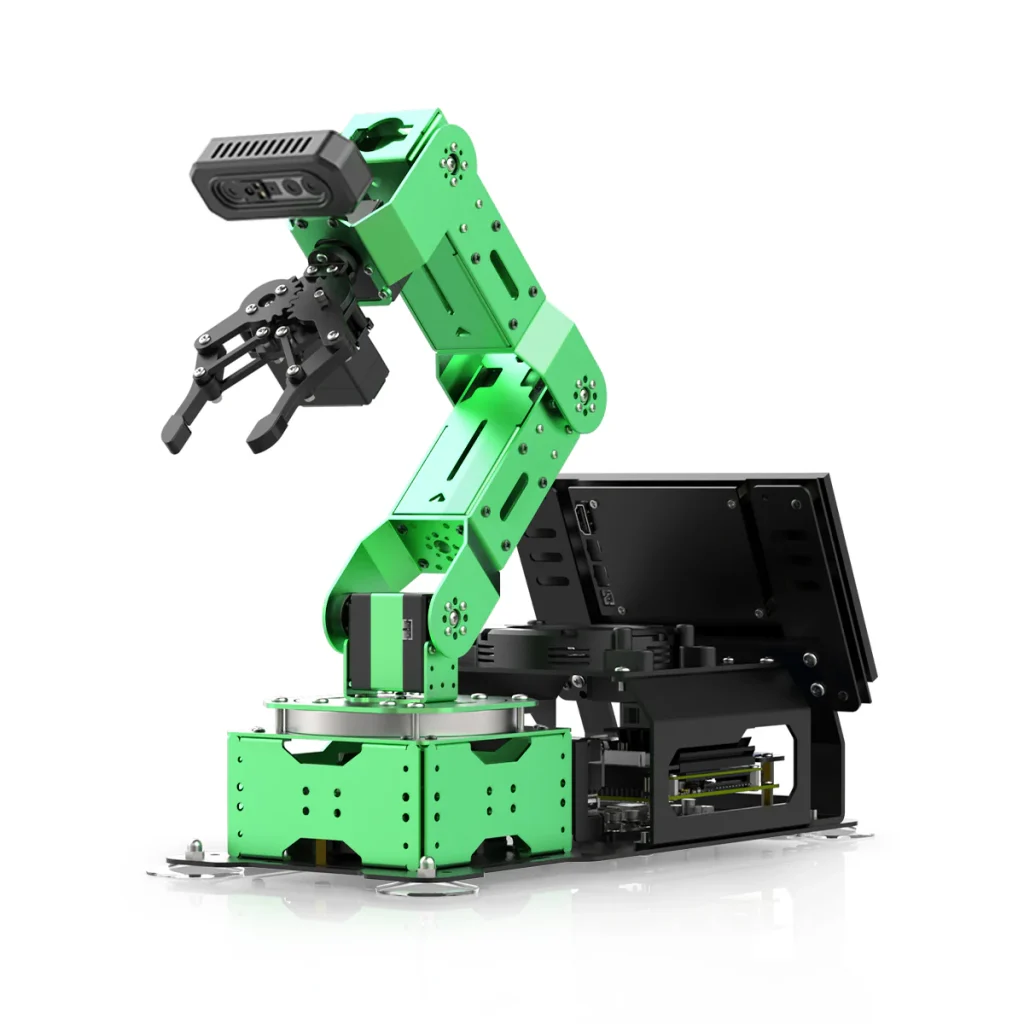
Articulated robots have been the hallmark of modern workshop systems for many years; the versatile precision has transformed the manufacturing scenario. The effective command transfer between human operators and robots is of paramount importance to facilitate smooth communication so that the human operator derives full advantage of the robotic functions. This is a comprehensive review of the latest trends, challenges, and future directions in command transfer mechanisms for articulated robots in workshop environments. We outline gesture recognition, natural language processing, haptic interfaces, and real-time feedback systems; all represent a wide spectrum of technologies shaping human-robot interaction. Further, safety considerations, integration into the manufacturing system, and the ethical implications are also assessed to present an updated view of the changing face of robotics in the industrial setting.
1. Introduction:
Articulated robots have been the key assets in workshop systems, providing flexibility and efficiency to perform diversified manufacturing tasks. Transfer of commands from human operators to the said robots is fundamental to the orchestration of complex workflows and optimization of production processes. Traditional approaches to programming and control are being replaced by more intuitive and interactive mechanisms of command transfer. Advances in sensing, computing, and artificial intelligence have driven the replacement of traditional approaches. This extensive review covers the myriad approaches, challenges, and future prospects of command transfer mechanisms for articulated robots in workshop systems.
2. Command Transfer Based on Gesture Recognition:
Hand gesture recognition technology can facilitate natural and intuitive human-robot interaction through which hand movements can be interpreted as commands. Advanced computer vision algorithms analyze the gestures in real time, transiting them into corresponding actions of the robotic systems. Spatial awareness, adaptability, and quick response put gesture-based command transfer mechanisms at the forefront in tasks. However, occlusions, variability in gestures, and environmental factors demand that solutions be robust enough to guarantee reliable performance in workshop environments. We discuss recent developments in gesture recognition and its applications in improving human-robot collaboration.
3. Natural Language Processing (NLP) Interfaces:
An NLP interface allows a user to command the robot in a human-like form of spoken or written language. Machine learning algorithms interpret natural language commands into actionable instructions for articulated robots. NLP-based command transfer mechanisms enhance accessibility and usability since users from various technical backgrounds can communicate effectively with the robotic systems. However, ambiguity in languages, understanding the context, and domain-specific terminology are key challenges to the deployment of NLP interfaces in workshop settings. We explore recent developments in NLP technologies and their integration with articulated robots, and strategies for tackling linguistic complexities and the robustness of the systems.
4. Haptic Interfaces for Command Transfer:
Haptic interfaces offer haptic feedback for commanding the robots with physical interactions with them. Haptic interfaces can be integrated into the manipulation of movement and parameters of robots through mechanisms of kinesthetic feedback, tactile displays, and integration of force sensors for an intuitive way of control. Application areas that demand precision control, dexterous manipulation, and immersive teleoperation usually employ haptic interfaces. The design considerations include ergonomics, latency, and haptic fidelity in optimizing user experience and safety in the workshop setting. We discuss recent advances in haptic interface technology and the incorporation of articulated robots, with a focus on novel modalities of feedback and paradigms of interaction.
5. Real-Time Feedback and Adaptive Control:
Real-time feedback mechanisms in command transfer systems offer the instant status information of the robot, its environment, and progress toward the completion of the task. Sensor fusion techniques—vision, force, and proximity sensing—can be applied to comprehensively monitor the robotic workspace and allow dynamic reconfiguration of the task and adaptivity of control. Real-time feedback raises the level of situational awareness, reduces mistakes, and optimizes the overall performance of the system in making flawless human-robot collaboration in the workshop system. We present recent innovations in sensor technologies, feedback algorithms, and control strategies that aim at enhancing real-time interaction and adaptiveness in articulated robots.
6. Safety Considerations and Standards Compliance:
Safety is of utmost concern in a workshop environment where humans and robots coexist. The command transfer mechanisms will be strictly designed following the safety standards and regulations, which should meet the requirements for mitigating collision, entrapment, or any equipment failures. Cobots are equipped with state-of-the-art safety features—force-limiting mechanisms, proximity sensors—that ensure safe interaction with human operators. Moreover, the integration of safety protocols in command transfer systems—emergency stop mechanisms, risk assessment algorithms—raises overall system reliability and builds operator confidence. We take up the main safety considerations, the regulatory frameworks, and the best practices for designing safe and reliable human–robot interaction in workshop environments.
7. Integration with Manufacturing Systems:
Seamless integration of the command transfer mechanism into the existent manufacturing systems enables maximum exploitation of operational efficiency and interoperability. Standardized protocols of communication, such as OPC UA, ensure seamless integration between robots, controllers, and other industrial devices. Integration with Manufacturing Execution Systems and Enterprise Resource Planning systems enables real-time data exchange, production scheduling, and performance monitoring to enhance resource utilization and production output. Here, we explore integration challenges, interoperability standards, and emerging trends in the convergence of robotics and manufacturing technologies.
8. Ethical and Socio-Economic Implications:
Robotization of technologies in workshop systems gives rise to many ethical and socio-economic concerns that require serious consideration. While automation promises to bring in high levels of productivity, cost efficiency, and quality of products, it also gives rise to several issues with regard to the displacement of jobs, the requirements of skills, and the implications that it has on society. Ethical frameworks for responsible AI and human-centered design become very important in ensuring that robotics is deployed on an equitable and inclusive basis in industrial settings. Workforce retraining, lifelong learning, and socio-economic empowerment are also very important in alleviating the negative impacts of automation and ensuring a sustainable future for workers and the community. We discuss the ethical challenges, policy implications, and strategies required for responsible adoption and deployment of robotic technologies in workshop settings.
9. Future Directions and Challenges:
Coming ahead, several challenges and opportunities lie on the horizon for command transfer mechanisms in workshop systems. Future research directions could include the development of hybrid interfaces that join gesture recognition, natural language processing, and haptic feedback in such a way as to enhance user experience and task flexibility. Advances in machine learning, augmented reality, and human-robot collaboration algorithms hold promise for further enhancements in efficiency and adaptability of command transfer systems. In this context, engaging the ethical and socio-economic implications, such as job displacement and skill requirements, becomes crucial for fostering responsible adoption and deployment of robotic technologies in industrial settings. Key research challenges, technological trends, and socio-economic implications that shape the future of command transfer mechanisms for articulated robots in workshop systems are outlined.
10. Conclusion:
Conclusion: Command transfer mechanisms of the highest degree are required to give human operators the best interface with articulated robots within the workshop. Recent advances in gesture recognition, natural language processing, haptic interfaces, and real-time feedback have pushed human-robot interaction capabilities to a more intuitive and efficient command transfer. Addressing safety considerations, manufacturing systems integration, and future research directions, full potential for the use of articulated robots in revolutionizing industrial production processes is set to inspire innovation and economic growth.
Investigating the Performance of Control Rooms in Production Line Robots for High Productivity
Abstract:
Modern manufacturing employs the use of production line robots to increase productivity, efficiency, and quality. The control room is the nerve center of the production line robotic system; the performance of the robotic system and overall productivity is tied to the performance of the control room. This research work will be planned to be done on various topics related to the design, operation, and optimization of control rooms for production line robots. We will investigate key factors influencing control room performance, which include human-robot interaction, decision-making processes, and system integration. Comprehensive analyses of case studies, experimental studies, and industry best practices will be planned so that meaningful insights into the optimization of control room performance for high productivity in manufacturing can be offered.
1. Introduction:
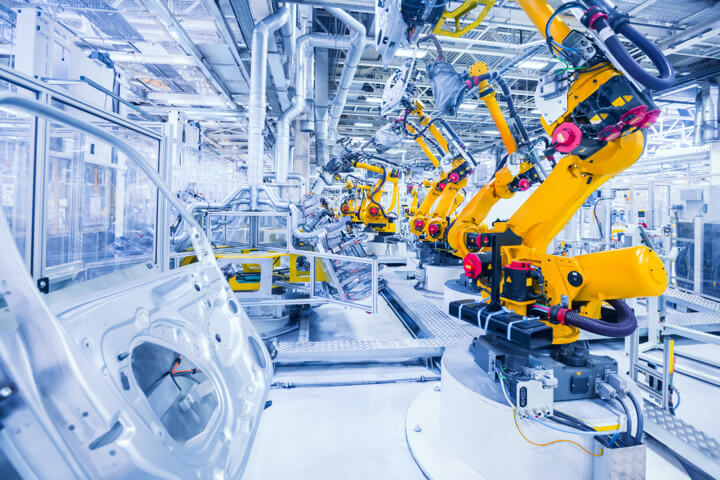
Artificial intelligence-based production line robots have been taking over various tasks in modern manufacturing: they have automated repetitive tasks, improved precision, and increased throughput. The control room is the command center for monitoring, controlling, and coordinating these robotic systems. Effective design and operation of control rooms are very critical for maximizing productivity, minimizing downtime, and smoothly integrating workflow in manufacturing environments. In this paper, we present a detailed study of control room performance in production line robots with the aim of identifying the strategies for high productivity and efficiency.
2. Human-Robot Interaction within the Control Room:
Human-robot interaction (HRI) plays a critical role in the operation of production line robots, particularly in the control room environment. Intuitive user interfaces, ergonomic workstations, and clear communication channels could be designed for easy interaction between human operators and the robotic system. Moreover, training programs, skill development initiatives, and user feedback mechanisms have an instrumental role in enhancing operator proficiency and confidence in the control of production line robots. We will present how human-robot interaction impacts control room performance and how one can optimize human-robot collaboration to maximize productivity.
3. Decision-Making Processes and Automation in Control Rooms:
Decision-making processes are among the methods of ensuring optimal performance in control rooms and leading in responding to the challenges in production. With automation technologies, including artificial intelligence and machine learning algorithms, control room operators can act based on the real-time analysis of data and predictive analytics. Such an automated decision support system empowers control room operators to proactively work on maintenance, fault detection, and production scheduling, which reduces downtime and optimizes resource utilization. We will take a closer look at the role of automation in making control rooms efficient and how to incorporate intelligent decision-making tools into the control systems for production line robots.
4. System Integration and Interoperability:
The control room systems integrate well with the robotic platforms, sensors, and other manufacturing equipment for synergy in attaining maximum productivity. Standardized communication protocols, like OPC UA, facilitate interoperability between heterogeneous systems to allow data exchange and coordination along the production line. Advanced integration platforms and middleware solutions make the integration process seamless, minimizing complexity and enhancing flexibility in control room operations. We discuss system integration and interoperability best practices along with emerging trends in Industry 4.0 technologies.
5. Monitoring and Analytics of Performance:
Performance monitoring and analytics are very important in determining bottlenecks, optimization of production processes, and enhancements in control room operation efficiency. Key performance indicators in cycle time, throughput, and equipment utilization are like windows to the health and performance of production line robots. Real-time monitoring dashboards, data visualization tools, and predictive analytics models empower control room operators to proactively identify issues, take corrective action, and lead initiatives for continuous improvement. We discuss the relevance of monitoring the performance and analytics in control room management and approaches towards using data-based insights in promoting productivity.
6. Control Room Ergonomics and Work Environment
An ergonomic and conducive work environment must be developed to assure comfort, safety, and productivity inside the control room. This may be accounted for in a number of ways: workstation layout optimization, proper lighting, and ergonomic workstation design are major factors that affect the performance of the operators and their well-being. The ergonomics principles should be applied even in control room furniture, displays, and input devices, which would be designed for the reduction of fatigue and improvement in efficiency. One major human factor in the design of the control room interface and workflow is the cognitive workload, situational awareness, and attention management. We walk through the best practices of ergonomics and work environment design of the control rooms.
7. Training and Skill Development Programs
Effective training and skill development programs are the means of building the knowledge, competencies, and confidence of control room operators for the achievement of the operational goals. Control room operators could be exposed to control room systems and operational procedures and emergency protocols with hands-on training sessions, simulator-based training, and VR simulation. Continuous learning initiatives, certification programs, and performance feedback mechanisms create a culture of excellence and improvement among control room staff. We discuss the significance of the training and skill development programs in optimizing control room performance and strategize for effective training curricula design.
8. Case Studies and Industry Best Practices
Case studies and industry best practices provide a critical view of the use of control room management strategies in practice and the effects it has on productivity. We analyze the best control room implementations from very different industries, looking at the key success factors, challenges encountered, and lessons learned. The case studies range from control room applications within the automotive manufacturing industry, electronic assembly industries, and consumer goods production industries, which give a very clear example of the flexibility and effectiveness of different control room approaches. We analyze industry best practices to extract actionable recommendations for enhancing control room performance and high productivity in manufacturing environments.
9. Future Directions and Emerging Trends:
Looking into the future, several trends will emerge to affect control room performance within the production line robots. Advances in AI, robotics, and sensing technologies have promised enhanced automation, decision-making ability, and operational efficiency within the control room environments. Human-centered design principles, augmented reality interfaces, and collaborative robotics are changing the nature of human-robot interaction and workflow management within control rooms. Meanwhile, advances in cloud computing, edge computing, and cybersecurity are shaping data management, analytics, and system resilience in control room operations. We shall look at the emerging trends and future directions for the optimization of control room performance and the implications for manufacturing productivity.
10. Conclusion:
Conclusion: Control room performance is a prime mechanism of gaining maximum productivity, efficiency, and quality in production line robots. An organization can optimize control room operations and realize top manufacturing productivity through human-robot interaction, decision-making processes, system integration, performance monitoring, ergonomics, training programs, and industry best practices. Continuous innovation, collaboration, and investment in technologies and control room practices will keep one competitive and answer the growing needs of contemporary manufacturing. This research will give insights and recommendations into the enhancement of control room performance to drive manufacturing productivity.


